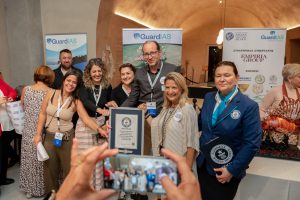
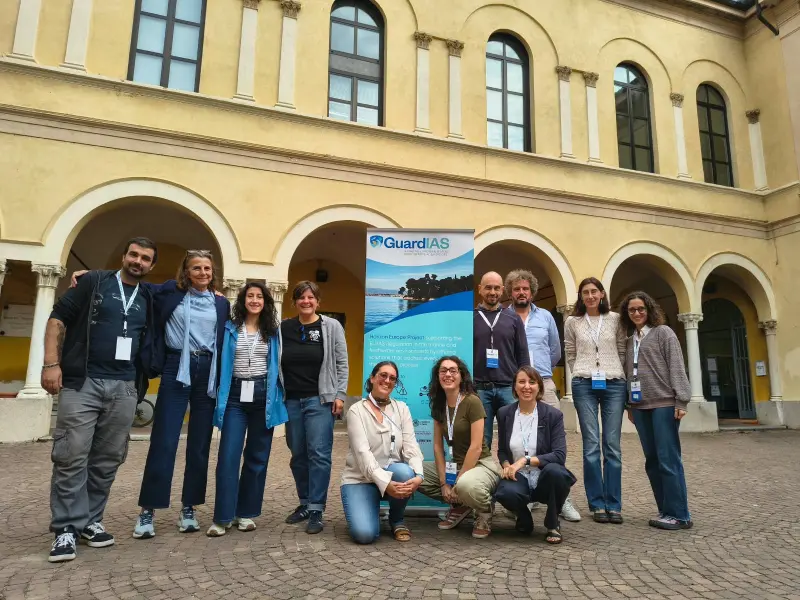
The GuardIAS consortium gathered in Pavia, Italy, in late September for its second annual in-person meeting. Hosted by the University of Pavia in the historic Botanical Garden, the three-day event brought project partners together to review progress, share research findings and discuss the next stages of the project.
Now well into its second year, GuardIAS is developing and testing approaches to improve the detection, prevention and management of invasive alien species (IAS) in European freshwater and marine environments.
Across the three days, discussions highlighted the breadth of work taking place, from innovative detection technologies and ecological research to practical management measures, citizen science, and stakeholder engagement.
Developing new approaches to IAS detection and management
One of the strongest themes of the meeting was the range of technologies and approaches being developed and tested across the project.
Partners shared progress on the use of robotics, drones, underwater cameras, artificial intelligence (AI), environmental DNA (eDNA), sound libraries, and new early-detection tools. Research is also examining how invasive alien species interact with native biodiversity and identifying potential hotspots where ecological and human interests may come into conflict.
These approaches are being explored across different stages of IAS management, from identifying new introductions and monitoring their spread to assessing impacts and supporting management decisions.
The presentations also highlighted the importance of combining methods and adapting them to different environments and management challenges.
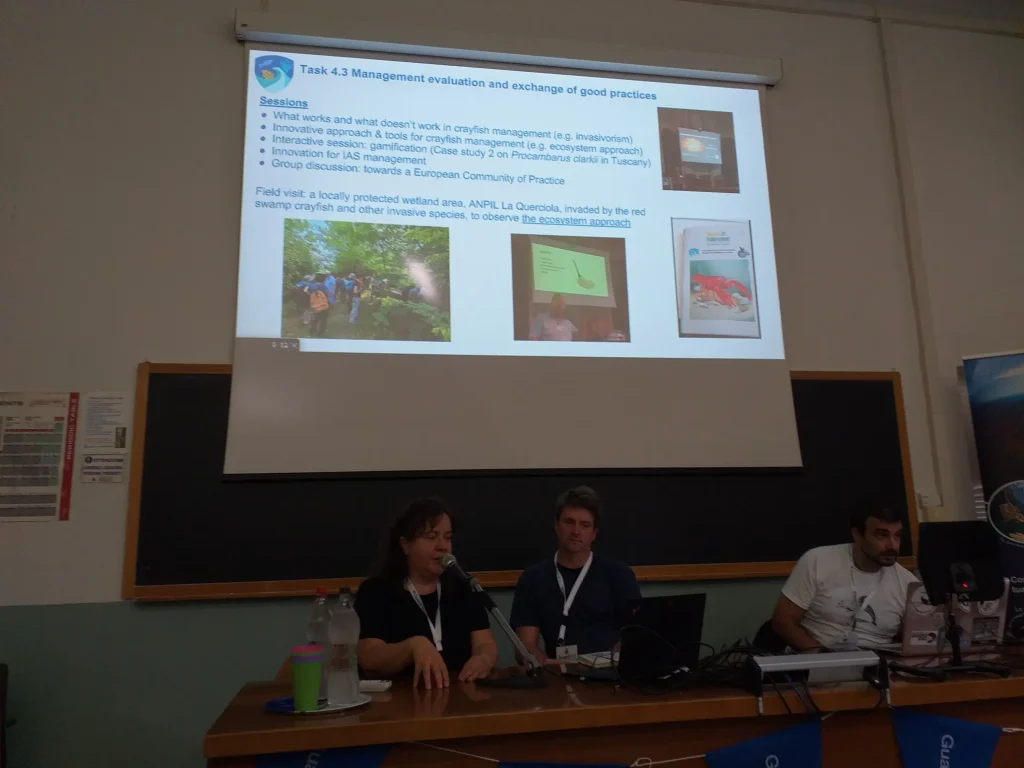
Eleven case studies exploring IAS management in practice
A major focus of the meeting was progress across the 11 GuardIAS case studies in Italy, Flanders, Greece, northern France and Norway.
Together, these case studies are exploring a wide range of IAS management approaches in different freshwater and marine environments.
Partners discussed the use of citizen science and eDNA, the combination of different detection technologies and eradication measures, and research into when and where management interventions are most effective.
Other presentations examined changes to food webs, wider ecological impacts, and areas where further research is needed to inform management decisions.
The discussions also highlighted some of the difficult trade-offs involved in managing invasive species. Decisions can involve balancing the protection of native biodiversity with economic activities, established practices and local traditions.
By examining these challenges in different locations, the case studies provide opportunities to compare approaches, share findings and improve understanding of what works in different circumstances.
Sharing knowledge beyond the research community
Alongside the scientific research, GuardIAS is developing resources and activities to make knowledge about invasive alien species more accessible to practitioners, decision-makers and the wider public.
During the meeting, partners reviewed progress across the project’s communication, education and stakeholder engagement activities, including its website, videos, publications, online learning courses and citizen science initiatives.
The GuardIAS Massive Open Online Courses (MOOCs) have attracted almost 500 enrolments across the first two courses, covering IAS prevention and early detection and monitoring. Learner feedback has also been encouraging, with 89.3% saying they believe the courses will be useful for their careers.
Partners also highlighted the growing collection of open-access scientific publications available through INVASIVESNET, alongside collaborations with other European projects working on invasive alien species.
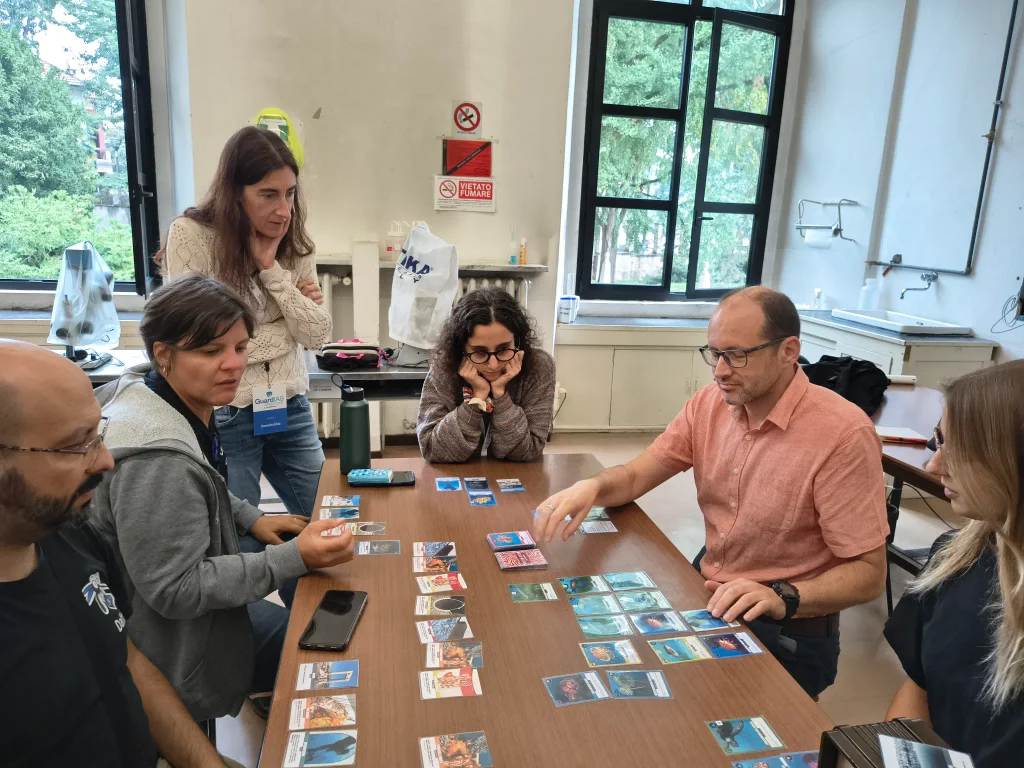
Another focus was the use of games and interactive activities to support learning and engagement.
During hands-on demonstrations, participants explored games developed through Work Package 5 to help people understand the impacts of invasive species, the importance of healthy and biodiverse ecosystems, and relationships between different stakeholders.
These tools can also be adapted to explore IAS challenges in particular locations and encourage discussion between participants with different perspectives and experiences.
Exploring the wider challenges of IAS management
The final day included a practical workshop using the Bow Tie approach to explore different aspects of IAS management.
Participants considered how management strategies could be mapped across ten tenets, taking account of technological, political, social and cultural considerations.
The exercise provided an opportunity to consider how these different factors interact and how they might influence management decisions.
The meeting also included a demonstration of the G.I.A.S. Intelligence Analyst System and discussions about the project’s upcoming activities, including the second GuardIAS Virtual Conference, organised in collaboration with INVASIVESNET.
Collaboration and knowledge exchange
Beyond the formal presentations and workshops, the annual meeting provided an important opportunity for partners to exchange ideas, discuss challenges and explore future collaborations.
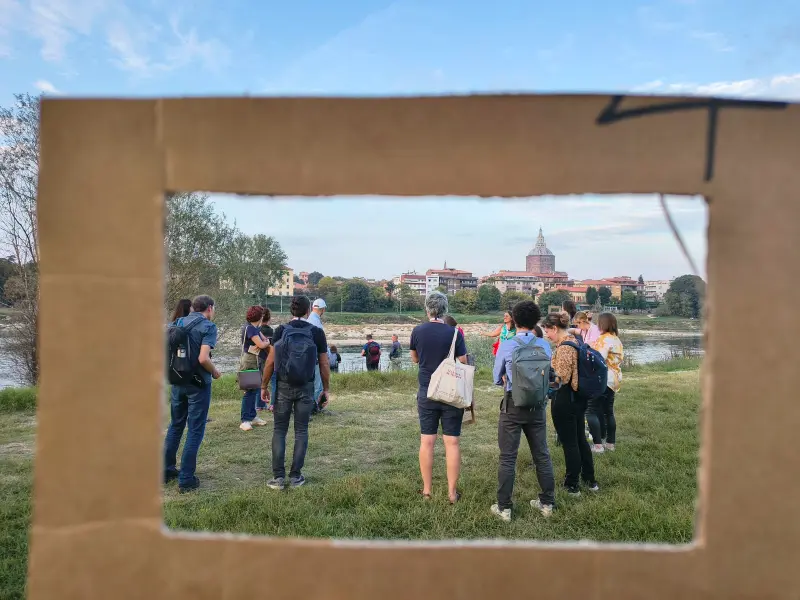
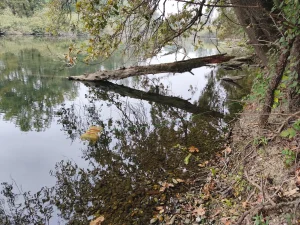
The programme also included a guided nature walk along the Ticino River, where participants learned more about local citizen science activities.
Across the three days, the value of bringing people together was a recurring theme. The range of expertise involved in GuardIAS reflects the complexity of invasive alien species management, which requires scientific knowledge, practical tools, stakeholder involvement and an understanding of local conditions.
As the project moves into its next stages, the discussions in Pavia will help inform ongoing research, the development of project resources and activities, and collaboration between partners.
A special thank you to Stelios Katsanevakis, Agnese Marchini, and the team at the University of Pavia for organising the meeting and accompanying activities, and to all GuardIAS partners for their contributions.