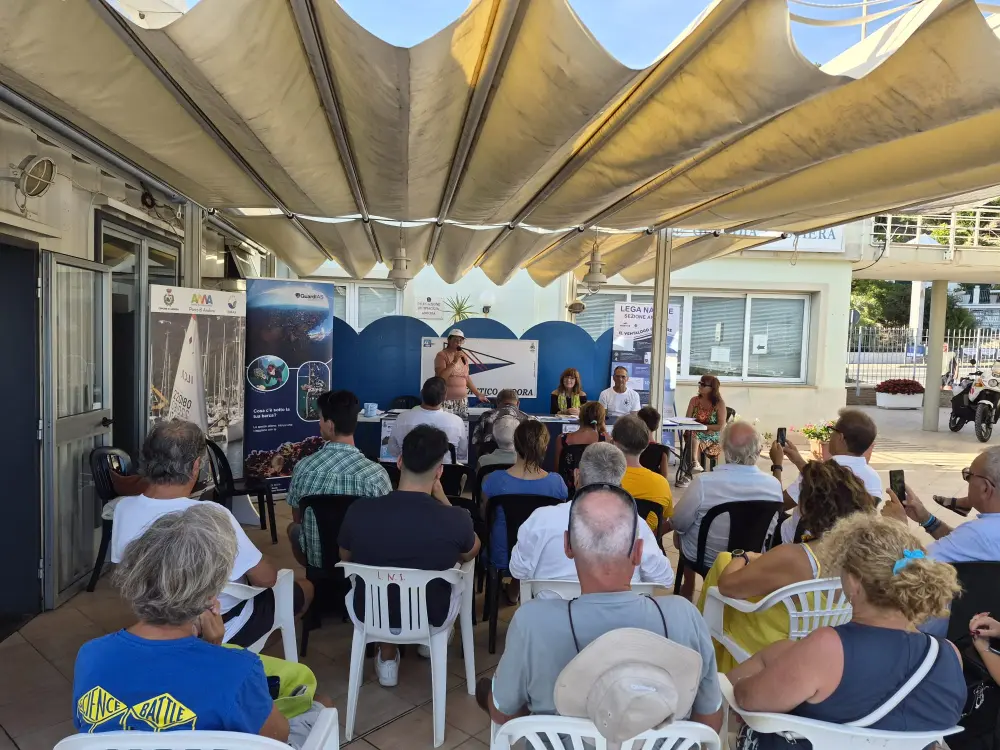
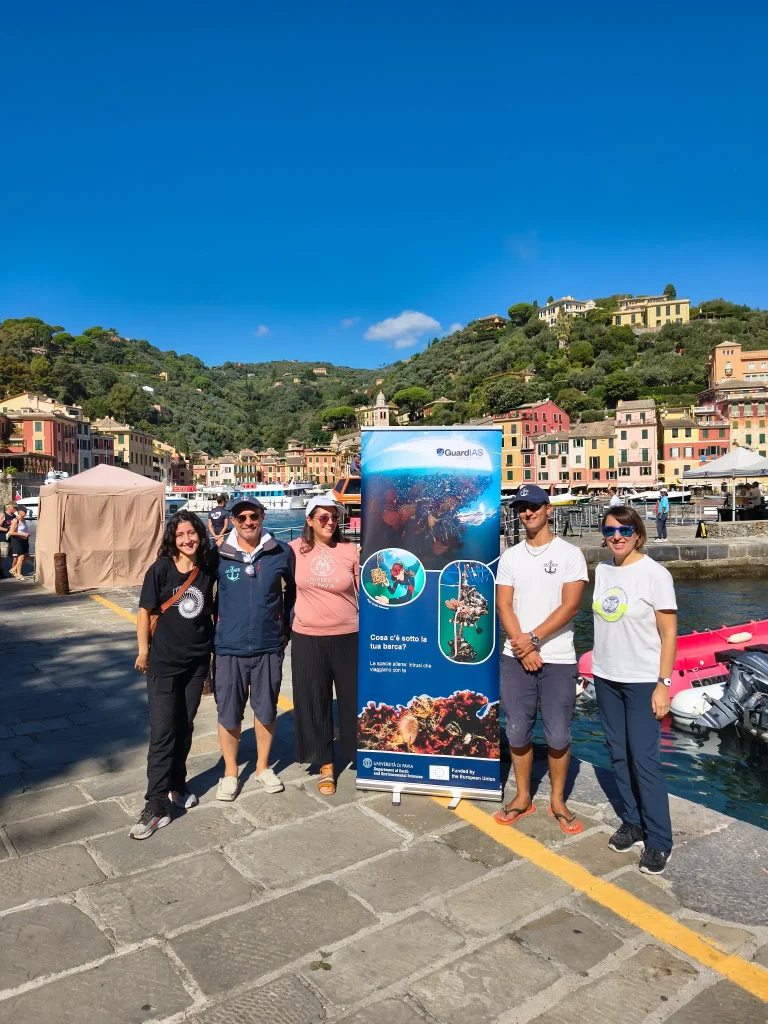
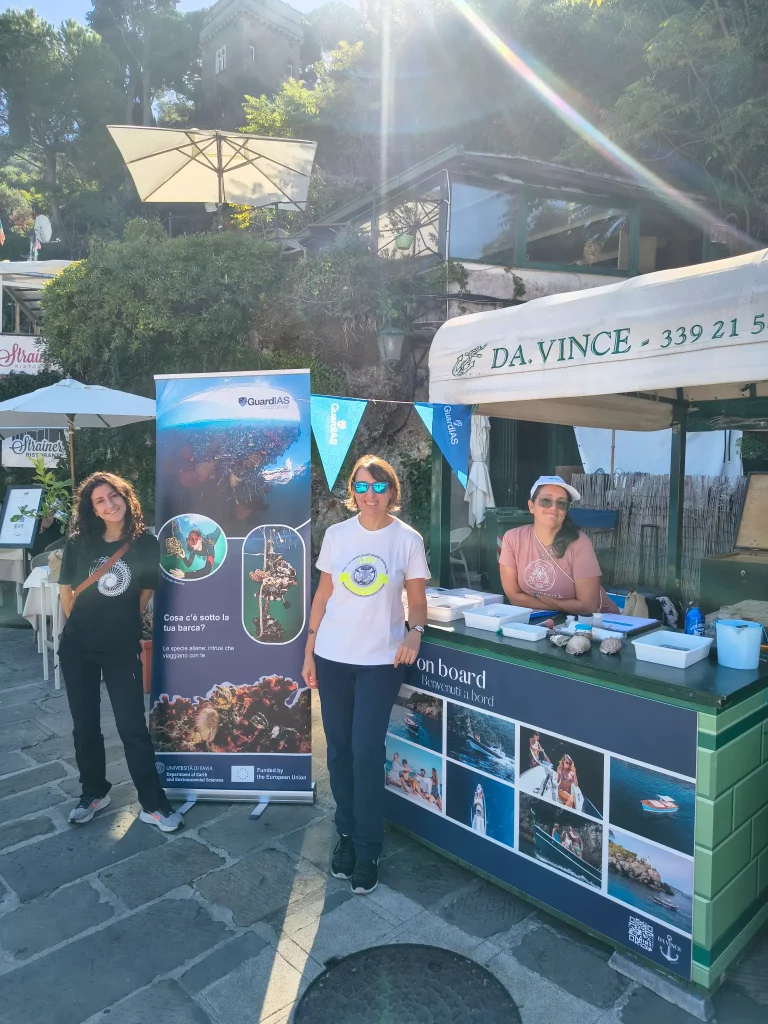
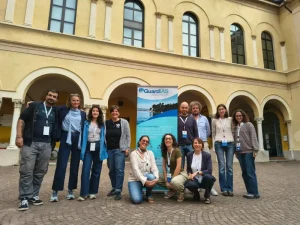
In 2026, the GuardIAS calendar was packed with citizen science events organized in Italian marinas. During the first year of the project, the team from the University of Pavia carried out a total of 6 events, while in 2026 10 events were scheduled from May to October.
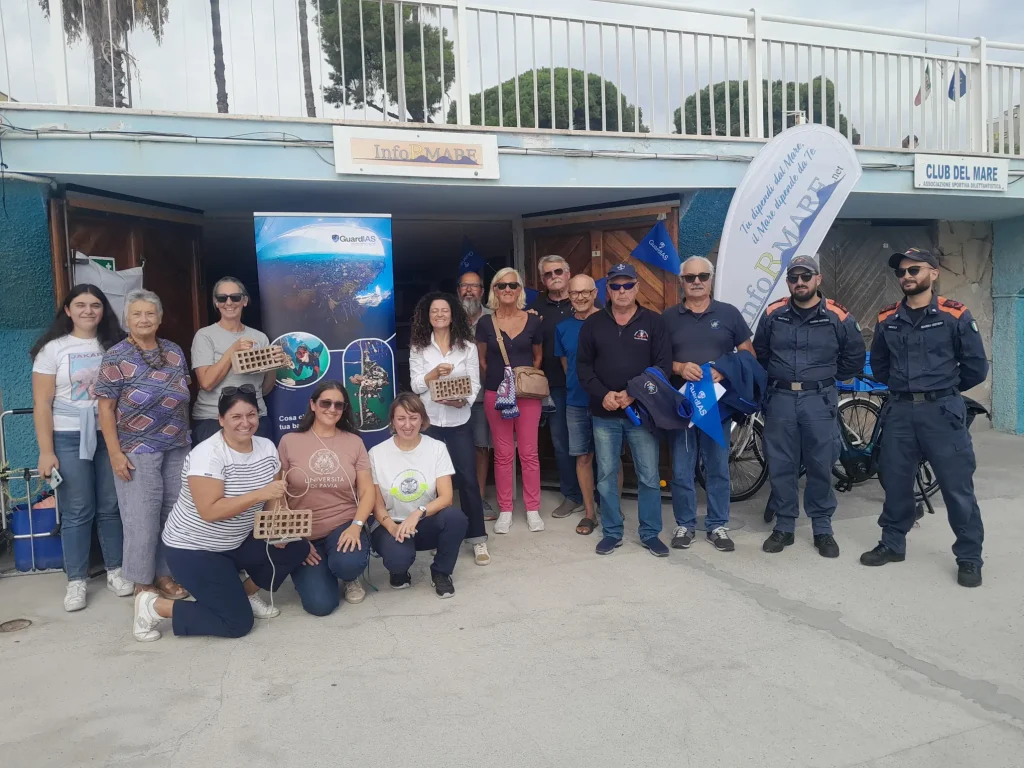
This allowed the team to visit a variety of locations, improving the format of the event and the communication to different audiences. The marinas visited were based in the Ligurian Sea, Northern Tyrrhenian and Adriatic Sea: Assonautica Savona (Savona), Club Nautico Versilia (Viareggio), Consorzio Nautica da Diporto (Rapallo), Club Nautico Rimini (Rimini), Yacht Club Marina di Cattolica (Cattolica), Lega Navale Italiana di Andora (Andora), Circolo Nautico “Al mare” (Alassio), Da Vince-Portofino (Portofino), Porto Turistico di Diano Marina (Diano Marina), Scuola Nautica Soleil (Marina degli Aregai, Santo Stefano al Mare).
Overall, the events in 2026 reached 122 citizens and engaged 34 boaters in monitoring marine alien species over a full year.
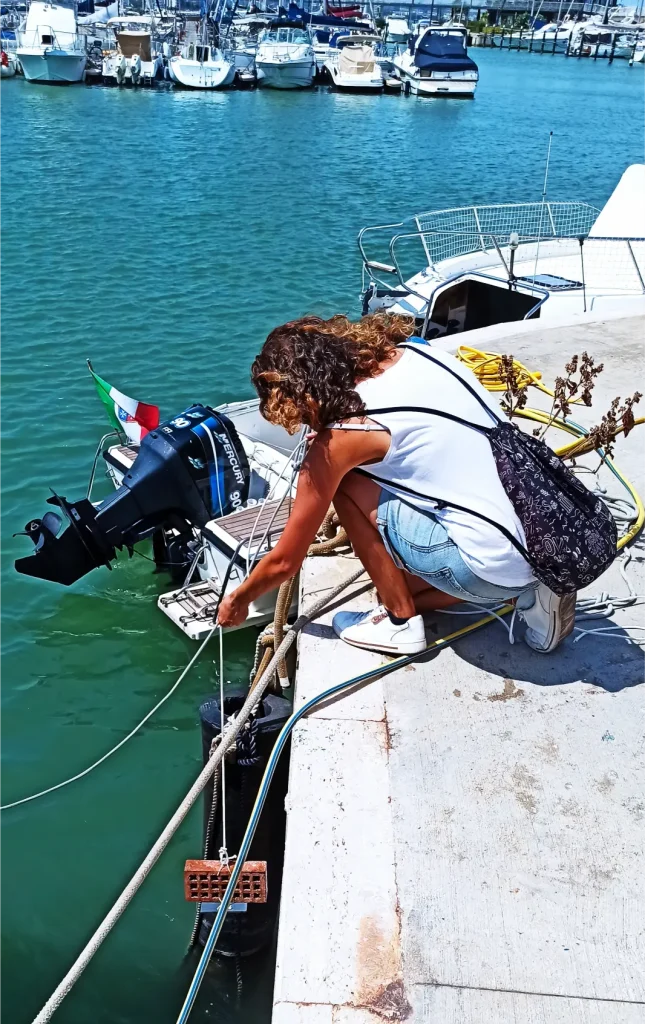
This citizen science activity specifically addresses marine biofouling: complex communities that attach to human-made structures, usually abundant in ports, such as docks, pontoons, buoys, and boat hulls. The unintentional transport of live organisms on boat hulls is currently regarded as a major vector of introduction of alien species, and is yet unmanaged, poorly understood and not sufficiently monitored. GuardIAS addresses these gaps by involving stakeholders directly, raising awareness level, fostering virtuous behaviour and improving the monitoring ‘eyes’ thanks to volunteer citizens. Boat owners are asked to provide monthly pictures of a settlement panel deployed at the mooring place of their boat. These plates are specifically designed for the monitoring of biofouling organisms and the early detection of alien species. The continuous provisions of photos allow GuardIAS researchers to identify successional patterns of biofouling colonisation of the panels and possibly identify arrival of new alien species.
Participants who agreed to host the experimental structure for a year showed high enthusiasm. However, data-sharing consistency was an issue in the first year, with only 6% of volunteers successfully sending between 10 and 12 photos over the 12-month period. To address this, alongside involving sailing clubs and nautical associations, the team expanded the initiative to wider audiences -such as local school teachers and educators- seeking their support for the continuous collection of high-quality photos of colonised panels, as part of their regular environmental education programs.
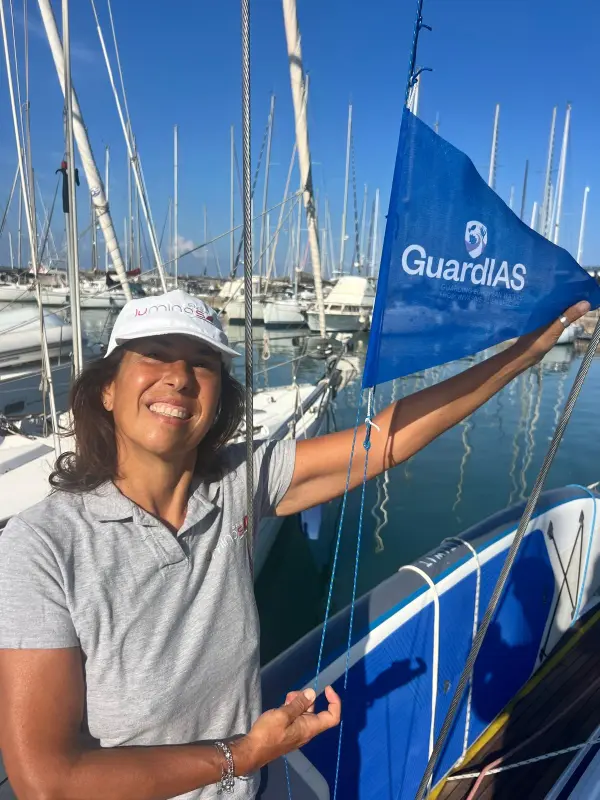
This year, the team was also involved in retrieving the experimental units deployed in 2025. Returning to the marinas visited one year ago provided an opportunity to reward active participants with a dedicated project gadget: a nautical flag bearing the GuardIAS logo.
With only 4 marinas remaining to reach the final goal, the team is working to broaden its geographical area by exploring the Lagoon of Venice and the Southern Tyrrhenian Sea.